Beejay Silcox speaks with Cadance Bell for The Pulse Papers, the accompanying interview series to MARION’s Hidden Nerve program.
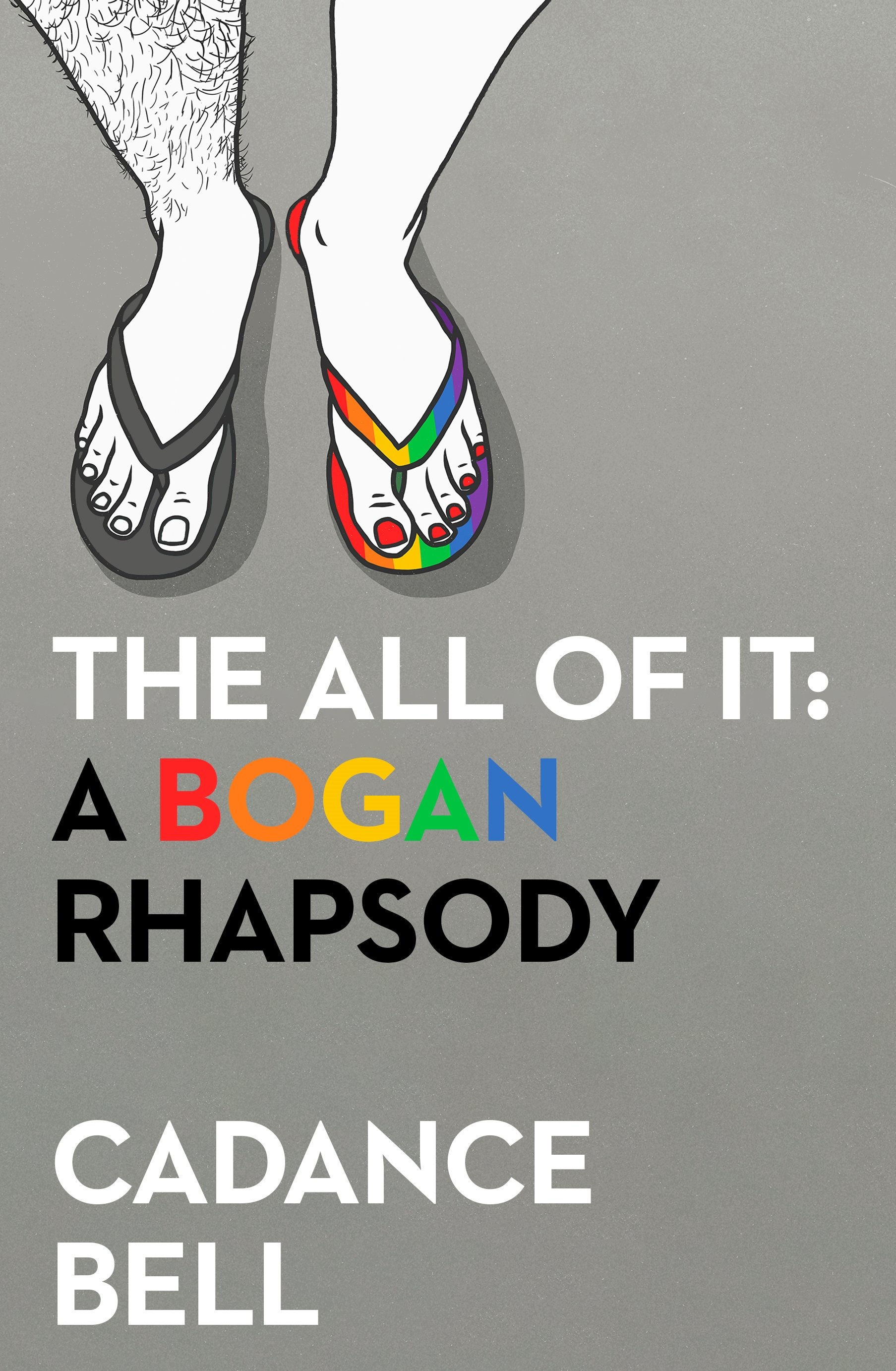
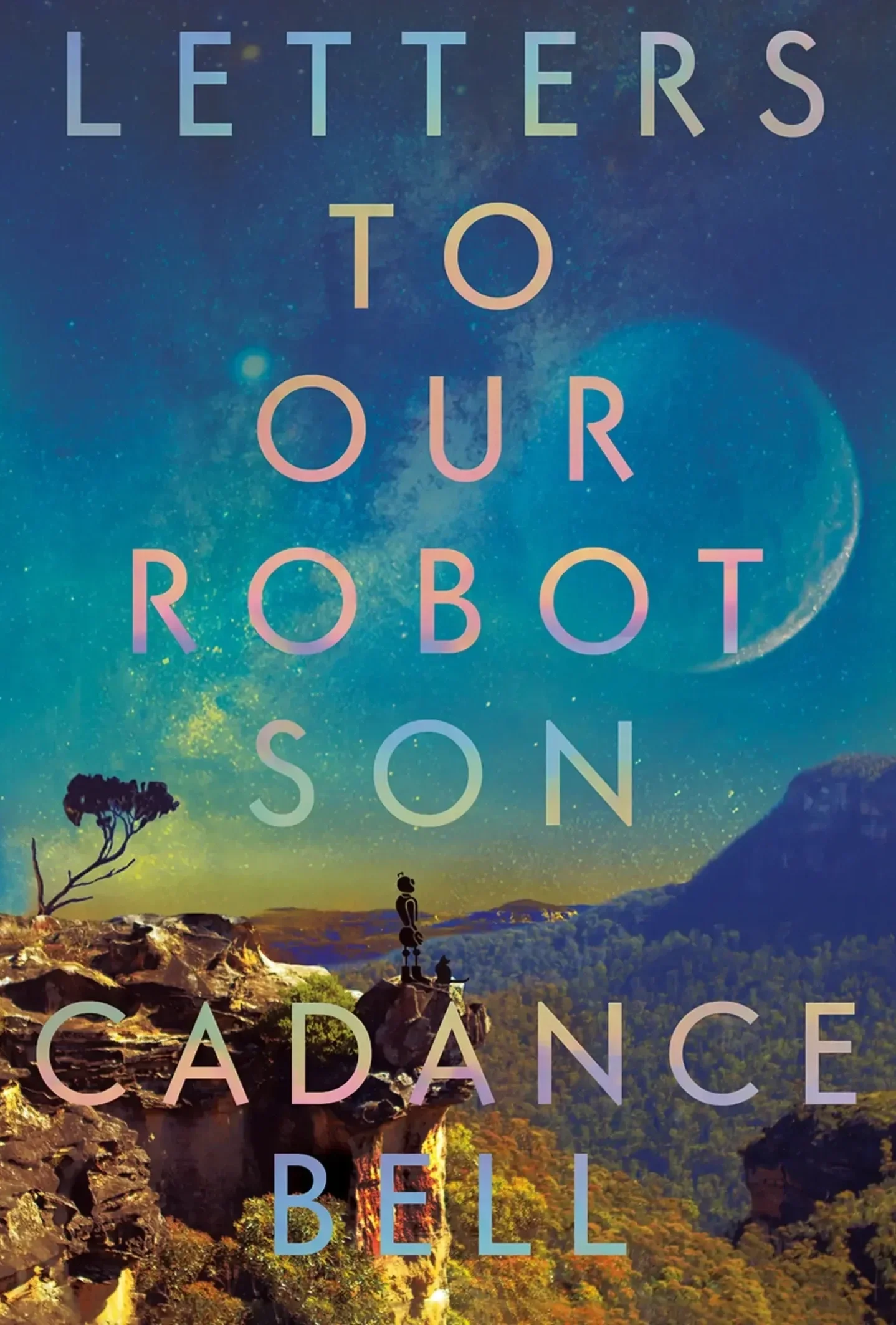
Storytelling, for Cadance Bell, is where it all begins and ends; it’s a calling, a political imperative, and an act of survival. The author of the acclaimed memoir The All of It: A Bogan Rhapsody, and the big-hearted, spec-fic gem Letters to Our Robot Son, Bell refuses to look away from what Australian creative life actually costs, and what it silences. After her HIDDEN NERVE session, we sat down to talk about economic fear, creative freedom, and what it means to keep making art when the two are constantly at war. (Our conversation has been edited for length and clarity)
Let’s start with the roof over your head. You've called housing precarity one of the defining cruelties of Australian life. How much does it shape what you're able to make?
One of the big problems with capitalism is that it exists to extract energy from people. Younger generations in particular are being forced into economic stress positions – made as anxious as possible so they work harder. I feel that acutely as an artist. For six years my partner and I have eaten two meals a day to keep costs down. We recycle our dental floss. We carry about $25,000 in credit card debt – not from holidays or luxury, just survival. And that means we’re paying $500 or $600 a month in interest alone. Meanwhile our real estate agent took nearly three years to fix a hole in our roof while our rent kept climbing and climbing.
I constantly feel endangered and guilty for not participating in the whole 9-to-5 capitalism thing. But if I did that, I’d feel rotten and make nothing. Writing is my calling, and I know it because I am miserable as a human being when I'm not pursuing it.
When I gender transitioned eight years ago, I made myself a promise: if I was going to take that risk, I would risk it all and become a full-time artist as well. I've had no safety net since. My imagination needs time to run wild, but the seeking stage of my writing is very rarely funded. I might get the occasional grant, but applying for grants can become a full-time job in itself.
When I’m immersed in the creative process, distractions are catastrophic. A two-minute interruption costs twenty minutes; a twenty-minute distraction can destroy my entire day. What's been important is finding parallel income streams that service the art: literary criticism, assessment work, festivals, a little teaching. Work that keeps my imagination free.
How does that economic shadow cast itself over Australian literature?
The same voices get heard again and again, and it's toxic to our cultural identity. When the same comfortable authors win the same grants and get the same book deals and win the same awards, it becomes another way of controlling the narrative of a nation. There are people all over this country with stories that need to be told, and they're not getting the chance to tell them. We don't have an infrastructure that makes that possible. And it’s getting worse.
You've talked about other people's work as creative fuel. How does absorbing their stories shape the ones you make?
Writing is a profoundly lonely pursuit, and those of us at the edge of narratives often carry incredible self-doubt. Does anybody want to hear what I have to say? Is anyone else thinking the way I'm thinking? If you don't read widely, you miss out on seeing how others push boundaries; but more than that, you start to believe you might be an outlier, that you're not worthy. Marinating in other people's words makes me a better writer, but also makes me feel less alone.
So who gives you that company? Who nourishes you?
One of the great joys of being a literary critic is having no idea what book is coming next. A couple of years ago I lost the ability to read for pleasure, and it was because I felt guilty if I wasn't using that time to earn – selfish, a bad citizen. I was such a fool, because not only was I missing the joy of reading, I was crippling my craft. Reviewing has restored that pleasure, and that source of learning.
But the art that fuels your writing doesn't stay inside the covers of books. You draw a great deal from film, video games, music...
Story is story. It's foolish to limit yourself to one format, because each form reaches you differently, makes a different kind of connection. Stephen King says a great idea is two good ideas meeting, which means you should gather as many ideas as possible.
Can you give me a sense of one of those works that has really resonated with you?
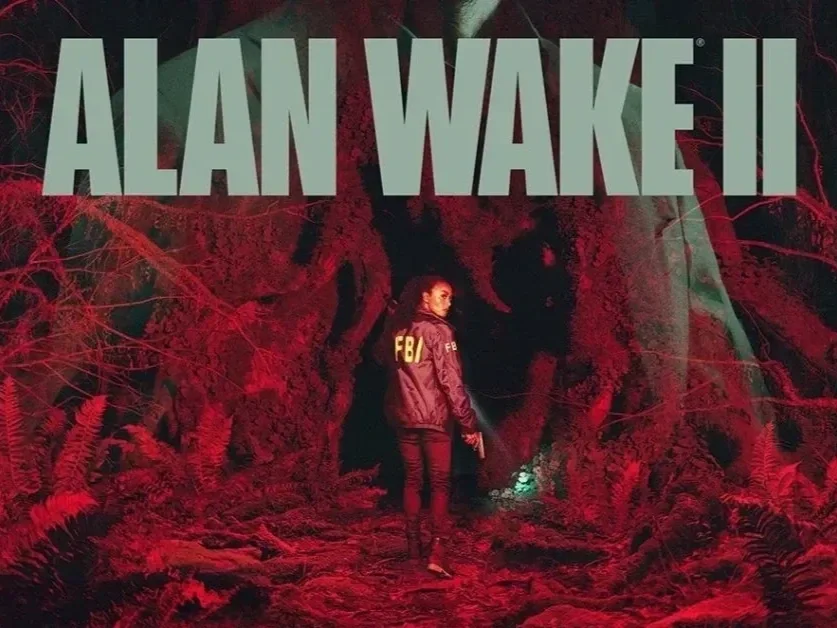
Oh, I could give you a million. In the video game Alan Wake 2, you play as an author fighting back darkness by writing. I'm still shell-shocked – it was so immersive, so mind-bending. At its core it was about mental health, about being an artist and trying to hold onto yourself while dark forces close in. In the game those forces are literal – enemies that hide in shadow – but in real life we have decaying politics, a decaying world. It felt like the great reality of our moment turned into art.
Let’s turn to your own work. Where does a story start for you?
I sense it. I feel a glow in my chest. When I know I'm onto something really good, I get nervous – it feels like cresting a roller coaster. I panic that I won't get the idea down fast enough. My characters arrive as ghosts, and I have to figure out why the fuck they're haunting me.
When do you work out what form those ghosts will take?
I think that they sort themselves into their own forms. I just have to take the time to listen.
Talk to me about that listening process, about being in that creative “seeking” state you mentioned earlier. How does it feel?
It's transcendental. Everyone has experienced flow: driving a car, riding a bike, you're not consciously processing every detail, you just sense it. Writing is much the same. The actual putting of words on screen is more mechanical, and it only happens once I've found what I need to find. Listened to those ghosts. Explored their worlds (I’m a very geo-spatial writer – I need to see a place to write it).
If I stay in creative flow long enough to build my structure and unearth my characters, writing feels more like following a recipe or decorating a Christmas Tree. The pressure dissolves. But if I sit down and try and grind out words without that foundation, I'm burdened with every question at once: what am I writing about, what are my themes, what do I want to say?
The creative marination is not just the most enjoyable part for me, it's the most important. The words only come after, and without it they're just not as enriched. There's a very popular concept within writing: are you a plotter, are you a pantser? (Do you work everything out in advance, or do you work it out by the seat of your pants?) I think that there is a third thing that's missing from that, and that's marination.
What do you feel is your duty to the reader?
First and foremost, to entertain. One of my problems is that I have so much to say that I can sometimes drown the reader in moralism, but I'm learning you don't need to beat people over the head. What you do need is to respect their intelligence: to show them something they didn't know about themselves, something they may have felt about the world but couldn't articulate. So that they arrive at some version of that beautiful thing – that image, that feeling – that inspired and sustained me over the many years it takes to write a book. The better I can convey that original experience, the better the work is.
I have this cheeky saying: I don't expect people to read my books, I just expect them to buy them. But if someone goes to the trouble of opening that first page, I need to hook them immediately and then hold them. A book takes eight to sixteen hours to read. My job is to honour that time. It's all about time.
And that is the resource that’s under the most economic, social, and logistical threat.
Yes, that's what's being stolen – from all of us.