
Beejay Silcox speaks with Hayley Scrivenor for The Pulse Papers, the accompanying interview series to MARION’s Hidden Nerve program.
Crime fiction lives and dies on point of view: who knows something, who doesn’t, and who might be telling the story a little sideways – even to themselves. For Hayley Scrivenor, this isn’t just a craft question; it’s something of an obsession. Scrivenor wrote her PhD thesis on point of view (POV), and both of her hit novels – Dirt Town and Girl Falling – are bold and exhilarating experiments in perspective. After her Hidden Nerve session, we sat down to talk about how Scrivenor’s thinking on POV has shifted from book to book, and why one question rules them all: whose story is this?
(Our conversation has been edited for length and clarity)
You speak about POV with such palpable, irrepressible passion. Were there some gateway books that made you first aware of how powerful it could be – where you could isolate it as a narrative achievement or tool?
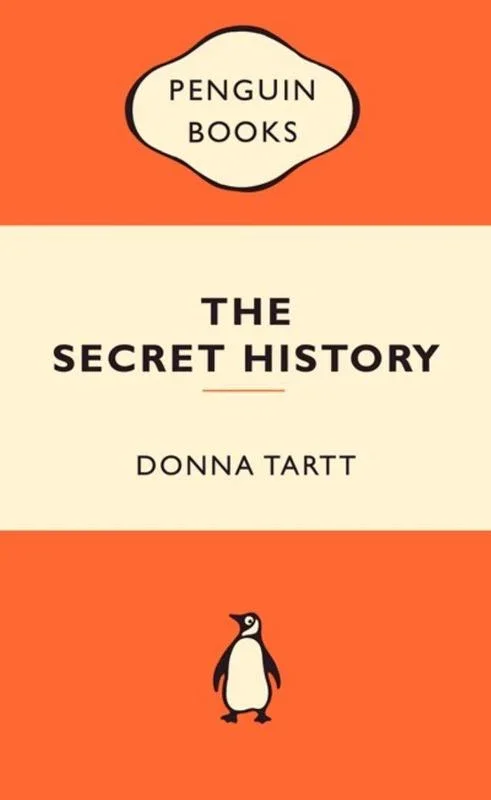
I read The Secret History before I wanted to be a writer. But I remember reading that book and marvelling at how Donna Tartt is able to get this incredible tension in an account – a long account – where we already know at the beginning that the person telling us the story has murdered someone and is going to get away with it. I was fascinated by how she spends that potential source of energy. For other writers that would be the driving tension, but not in that book.
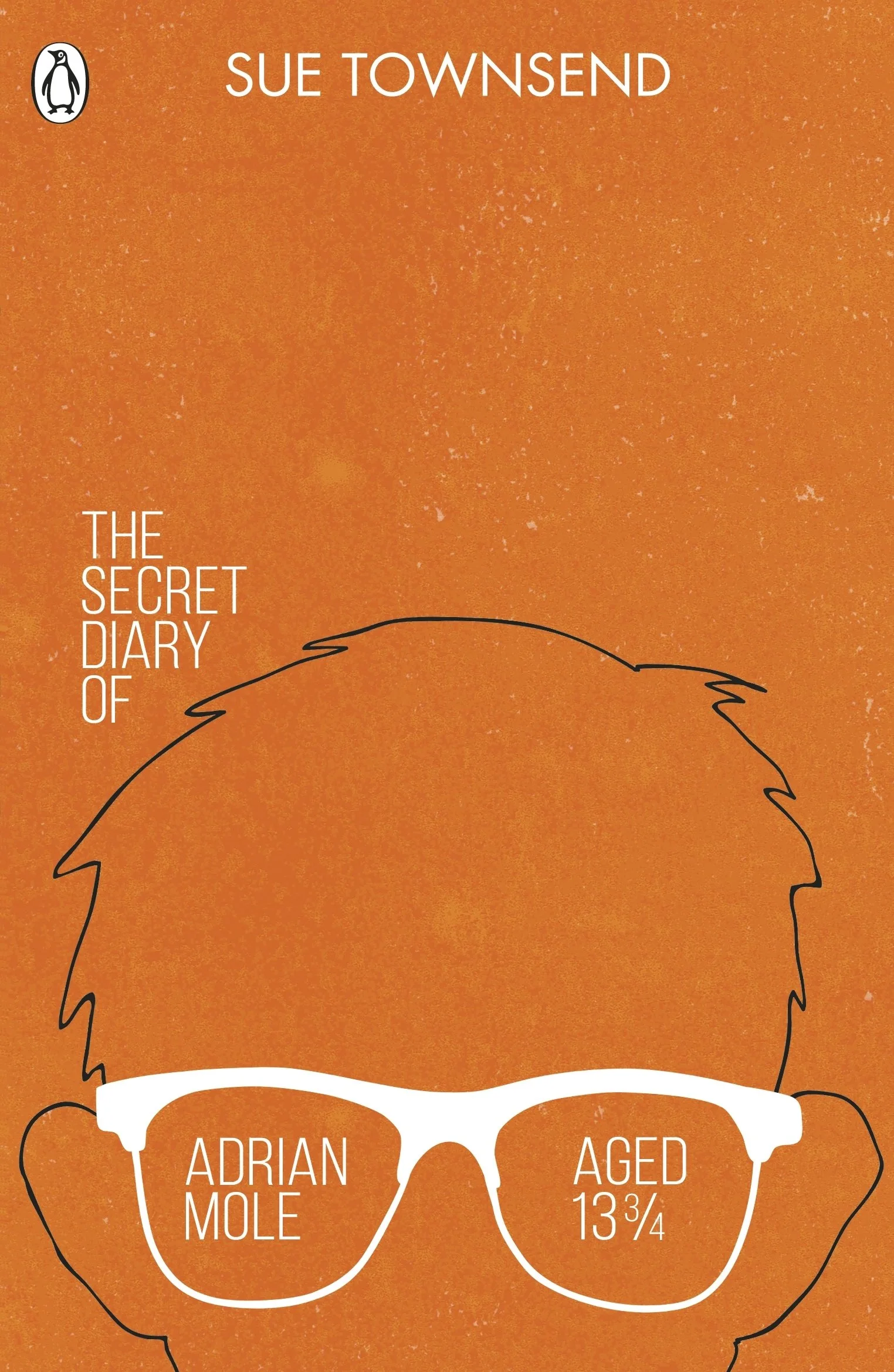
I also grew up loving The Secret Diary of Adrian Mole. It doesn’t sound like the kind of book a crime writer would point to, but for me those books are all about the withholding of information. You’re in the POV of this teenage boy, and he’s telling you things that, as a reader, you can perceive he doesn’t fully understand. I think my love of POV – of deciding what information the reader gets and when – might actually be traceable back to those books and that lovely, hilarious character.
Is POV always the starting question for you?
Yes. I don’t feel like I have a handle on a book until that POV question is answered: Whose story is this? Where are they telling it from, and why are they telling it?
Maybe it’s a bit unsexy, but POV is deeply tied to questions at the core of why we feel drawn to write a story, and what that story might do. For me, it’s not about finding a POV and sticking with it; it’s about opening yourself up to the possibilities, and then listening for the moment when you recognise you’ve found the right one.
Talk to me about the relationship between genre and point of view. I wonder whether you’re a crime writer because POV is so crucial – it’s the engine of the plot.
I don’t pretend to be an expert on the genre, but one of the things that seems core to crime writing is that sense of: I know something you don’t know. I get an incredible amount of energy from that knowledge. And maybe it just means I’m a bad person and I like to be in control (although I’m not in control during the drafting; I just tell the story in the way that generates the most heat).
But what I really love comes later, where you allow yourself to think about how the reader is going to encounter the story: in what order, from what position, what information they’re going to get and when. I don’t want anything to feel wasted: no moment, no observation, no adjective choice. Everything kept you looking where I wanted you to be looking.
How conscious are you of that dynamic as you’re constructing a story: who knows what, who’s withholding, and how much the reader understands? Is that something you hold in your head as you go, or something you discover along the way?
I think I go into it a bit like a method actor. I try to embody a character as much as I possibly can, and sometimes that means forgetting certain things that I know are going to need to happen in the story so that I can emotionally bear witness to that person and what they’re experiencing.
Sometimes that means putting aside the knowledge of the terrible things they might eventually do, so you can write them with genuine empathy. You need to approach them as a person first, rather than simply as the function they serve in the plot.
In crime stories we’re meeting people at an emotional eleven, often on the worst day of their lives. So trying to get a sense of them as a whole person is one of the morals I ascribe to as a crime writer. Writing a compelling crime story is not about anticipating emotion – no-one likes to be told how to feel – but having someone go through something and letting readers observe.
Have you ever been shocked by a POV revelation, for instance: realising a character knew something you didn’t?
In my second novel there was a revelation that came from outside, in that typical way where you show your work to someone else and they say: Wouldn’t everything in the book suddenly fall into place if this one piece of information was already held by this particular person? It opened up the whole book; all the loose ends suddenly made sense.
When that happens, you get this really powerful sense that the story is sort of smarter than you are – or that it’s been wanting to be told in a particular way because of the things that it needs to say. Sorry for the vagueness, but...it’s a matter of plot secrecy.
No spoilers here. Let’s turn to the books themselves. The POV choices you made in Dirt Town were hugely ambitious. If you told an aspiring novelist they had to write a book with five different voices and a Greek chorus, they’d panic themselves into another career. And yet, that’s exactly what you managed. Can you talk about making those decisions? Did it ever feel unwieldy, or was there a moment when you realised you might have set yourself a slightly bonkers task?
I definitely remember having this feeling of: How have I got myself into this mess? Sometimes writing a novel is just slowly backing yourself into a corner and realising: I’ve kind of got myself into this situation and now I need to get myself out of it.
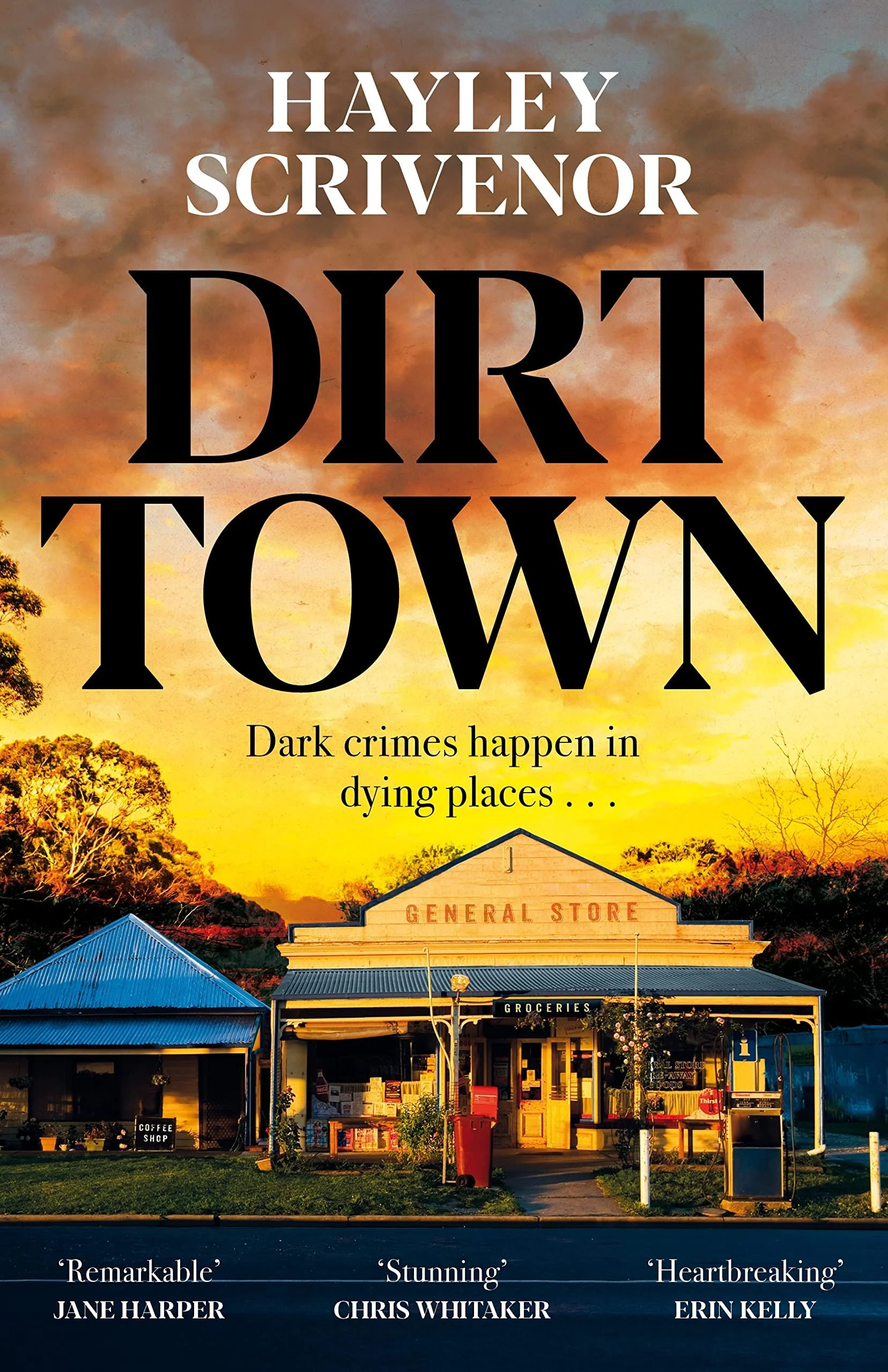
There was a version of Dirt Town that was told entirely by a group of Australian school kids, talking about their town in this kind of disembodied, almost ghostly way. The idea fascinated me, but once I’d written the book from their POV I realised there was no one for the reader to get close to. There’s a missing girl at the heart of the book, and while the chorus had a lot of responses, they didn’t feel grounded. I needed people we could really care about and get to know.
That’s when I began introducing other characters: the girl’s best friend, the boy who saw her on the day she went missing, and her mother. I thought those were three people it would be good to hear from. Then, surprisingly late in the process, I added the cop. That was when I realised that readers would want her to solve the crime. As I opened up the different points of view, the promise the book was making began to change, and I had to respond to that.
So you hadn’t been writing crime fiction, until a POV hijacked your book?
No, I’d been writing about a crime that had happened, not necessarily a crime novel. That might be a faint distinction, but I wanted to think about the emotional impact on the people left behind. I hope the book still does that, but I realised that if I was going to take readers through this difficult experience and through this whole community, I wanted to give them something we don’t always get in life, which is resolution.
When did you know you had your collection of voices complete?
I did get to five and think: Okay, maybe I’m going to shut the door on this now. The one thing I knew early on was the ending of the book, but I knew almost nothing else about what was going to happen. So I learned the story by writing it from each character’s POV, and then assembling it later, trying to move the reader through it in the most compelling way.
That’s one of the advantages of a multi-perspective book. To put it simply, if it’s getting boring you can just go to the other side of town. And if something really compelling is happening, you can sometimes look at it from more than one angle. It’s a lot of work, but there are also a lot of things a multi-POV structure lets you do that I found really exciting.
Does POV function as a kind of guiding constraint for you – a kind of narrative discipline?
Definitely. I could endlessly describe the setting and how people are feeling, but being forced to keep the action moving helps me get away from some of my worst impulses as a writer and keeps me moving toward story.
POV is always answering the question: So what? Why are you showing me this? I think that’s a really good question for writing, not necessarily in the early drafting stage, but as you get closer to having something you might want to share.
So you pull off the multi-voiced miracle of Dirt Town, and then in Girl Falling you go in the opposite direction: insular and claustrophobic...
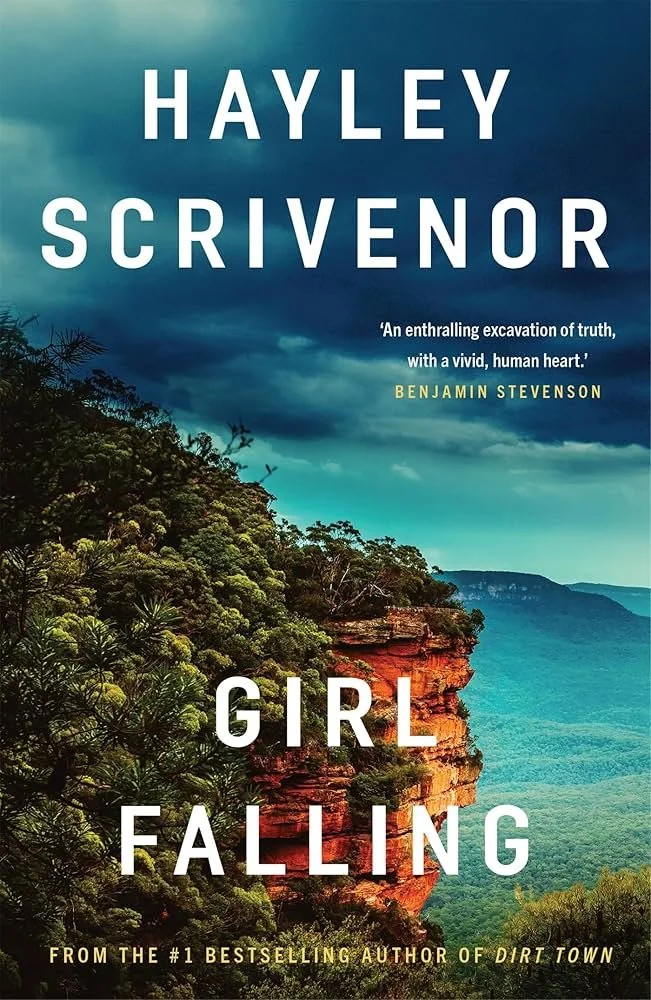
I do think that book was very much a response to the first one. With Dirt Town I’d written a book about a whole community. The question at the heart of Girl Falling is: How do you know that your take on events is the right one? Or to put it another way: Am I the crazy one here? It seemed to me the best way to tell that story was in the first person, and that was one of the very first decisions I made about the book. The reader doesn’t get external validation of the character; they have to grapple with the question at the same time as the narrator does, and with the same information.
That seems equally hard, but for different reasons: one person, one point of view, standing on a ledge for one hour...
Well, it’s just as locked in. The whole point of the book is bound up in the POV. That’s when it feels most exciting to me – when the angle I’m taking is what gives the story its fire.
And now in your new novel in progress, you’ve decided to animate a circus tent?
I’m almost scared to say that out loud. But I do think if you’re not taking a genuine risk, then what’s the point? At the same time, I never want to feel like I’m doing something just for the sake of it. The form has to be tied to the story.
The book is set in 1959, over the course of one night, during a single performance of a circus in the UK, and I’m seeing the world of the story through his eyes: the circus tent’s eyes. It’s based on the circus my grandparents performed in – Billy Smart’s Circus – which was about 200 people strong.
I started as a fun and wacky idea. But now I’m two-and-a-half years into writing the book, and I care about this object. He’s perceptive; he’s been around, and seen some things. My first two books had touchstones where you could see connections to my life. But weirdly, this tent is probably going to be the most like me in the end. There’s a kind of smokescreen in the particulars of him that lets me invest him with more of myself.
I hope he survives the final edit.
Me too. We’ll see. Maybe I’ll regret this interview if it all doesn’t come together. But that’s what matters to me as a writer: staying open and playful, and genuinely curious about the best way to tell the story you’re trying to tell.
Who are you reading to keep that sense of play and purpose alive?
I’ve been trying to read things published in the late ’50s and early ’60s to really get a sense of the time: Simone de Beauvoir, Patricia Highsmith’s diaries. I’ve been reading a lot of Iris Murdoch.
And the thing I take from all of them is this sense that people are people. They’ve always been doing things they shouldn’t, and saying things they shouldn’t. Queer people have always been here. Keeping that forefront of mind while I’m writing characters in this time and place feels important.
The more you write, the more you realise how hard it is to maintain that sense of confidence, particularly after your first novel. You become open to criticism, and you become aware that it’s not just you and the characters and the story anymore; the book is going to go out into the world and become an object in the marketplace. But reading other people’s writing – witnessing their audacity – gives me what I need to keep going.