Beejay Silcox speaks with Rhett Davis for The Pulse Papers, the accompanying interview series to MARION’s Hidden Nerve program.
Rhett Davis has a gift for making the weird feel ordinary, and the ordinary feel weird: cities that rearrange themselves at night; people who turn into trees. Across two genre-defiant novels, Hovering (2022) and Arborescence (2025), he unsettles our bedrock assumptions about the world and our place in it; what it means to belong to places, people and our own flimsy bodies. Rhett’s fiction is gloriously funny and existentially terrifying – often in the same moment. After his Hidden Nerve session, we sat down to talk about the practical business of imagining the impossible, and how 1980s boredom helped to make a family of art-makers.
Because you’re writing about place, perhaps we should start with the elemental question of what the word “home” means to you. Is it a particular place or landscape, a sense of belonging? And has that meaning changed over time?
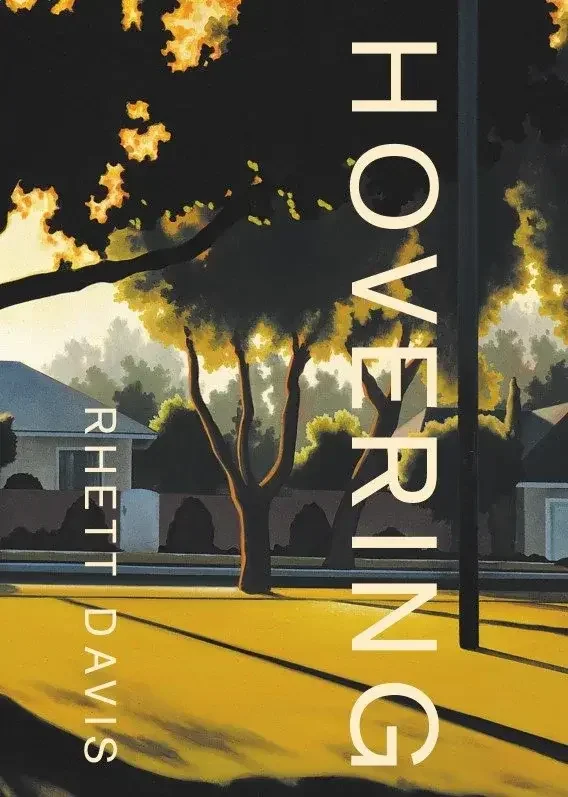
Hachette, 2022
Place for me has evolved over time. I was born in Geelong, on Wadawurrung Country, down here in Victoria, and grew up on Wadawurrung Country. That whole area has been where I’ve lived for most of my life, even though I’ve moved back and forth.
I think I’ve come to understand more about how I feel about the place I come from by leaving it, really. That was what my first novel (Hovering) was coming from: the idea that it’s almost only by leaving a place that you can really understand what you feel about it.
Geelong is a fairly small city. There weren’t a lot of opportunities here; the opportunities were up the road in Melbourne. So, for me, it was a place I wanted to leave. But as I’ve grown older, I’ve started to realise that actually it’s a pretty wonderful place to be. Coming to terms with that, while also recognising that I’m a coloniser on Indigenous Country, is something I’ve tried to reckon with over time. It’s not an easy balance to get right. Being a settler on colonised land makes it genuinely challenging to know how you feel about a place.
You’ve built that sense of instability into your fiction. Both of your books are deeply unsettling, and also deeply unsettled...
Yeah, and that’s exactly what I was trying to do. I certainly feel that, as I’m writing white characters, they need to experience that sense of uncertainty too. It’s something I put quite explicitly into Hovering, whereas in Arborescence it sits a little further beneath the surface. But it’s something I haven’t really come to terms with myself, so it’s natural that it’s going to bleed into the fiction.
What strikes me about your work is that absurdity, or absurdism, becomes a form of realism. I wonder if you could speak to that idea: that when the ordinary world already feels so strange, making the world strange can help us see more clearly the things we otherwise take for granted?
That’s exactly it. The world is so weird. I’m someone who is – as I suspect most of us are – baffled by the world around us, baffled by the human condition. We normalise our lives and what’s going on around us. But if you really take a look at what we are and what we do, it is absurd. And we take so many absurd things for granted.
Absurdist fiction can show us that these things aren’t immutable, that they’re just as absurd as we think they are. Any kind of fiction that shifts perception, that takes us out of calcified ways of thinking, is really energising to me. It makes you look again at what’s actually going on. It could be absurdist fiction, or it could be reading other perspectives. But for me, absurdism has always helped me reflect on reality a little differently, and recognise that there are things we perhaps shouldn’t have normalised.
I try to reflect that in my work. I’m not very interested in writing realism. I’ve tried it. I’m bad at it.
Which absurdist writers first helped you break the world apart in order to put it back together again?
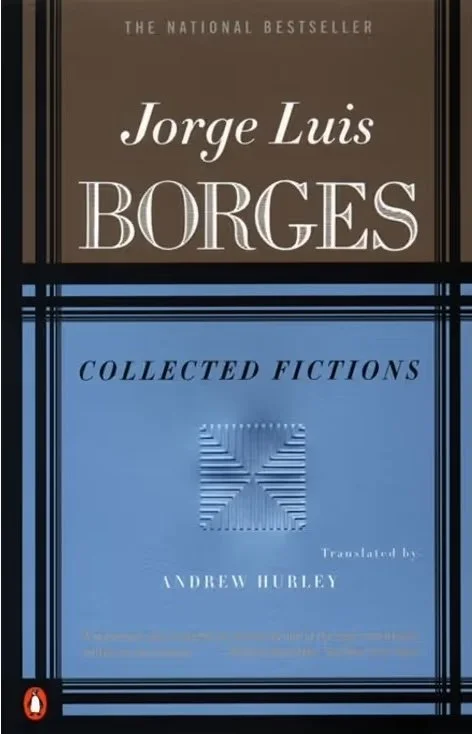
When I first encountered Borges, that was probably one of the big revelatory moments. Just mind-blowing stuff. His collection Fictions is probably my favourite book of all time. I find it so inspiring, so strange and so cool. I’m not writing like that, but it flicked a switch for me, opened up the possibility of thinking about writing from a completely different angle.
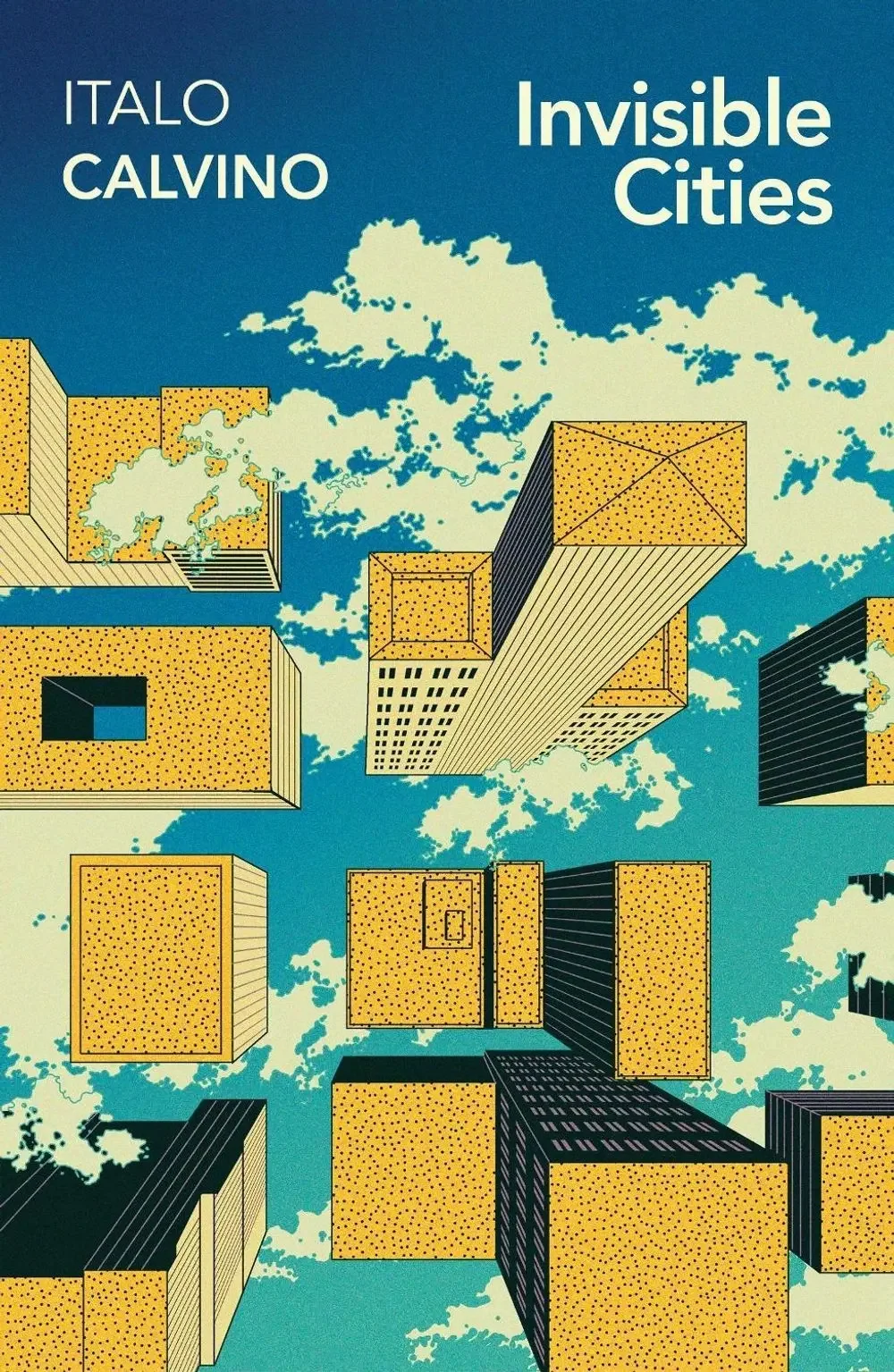
Kafka, of course, but also Kurt Vonnegut, who I think was really instrumental in terms of tone, and in showing how absurdist writing can be very funny, warm and human. George Saunders probably comes out of that tradition, too. Calvino is another writer who’s really shaped the way I write, particularly Invisible Cities. There are a lot of other writers around this tradition, but those are the ones who come to mind.
There’s no signpost in their books saying: “Things are going to get weird now.” It’s just how the world is. And we go with it. We adapt.
I love how openly you acknowledge the influence of fantasy and science fiction on your work, and how central they are to your imagination. We often elevate literary fiction as though it sits outside genre, when it’s a genre like any other. How much do you think about genre boundaries and conventions in the work you’re doing?
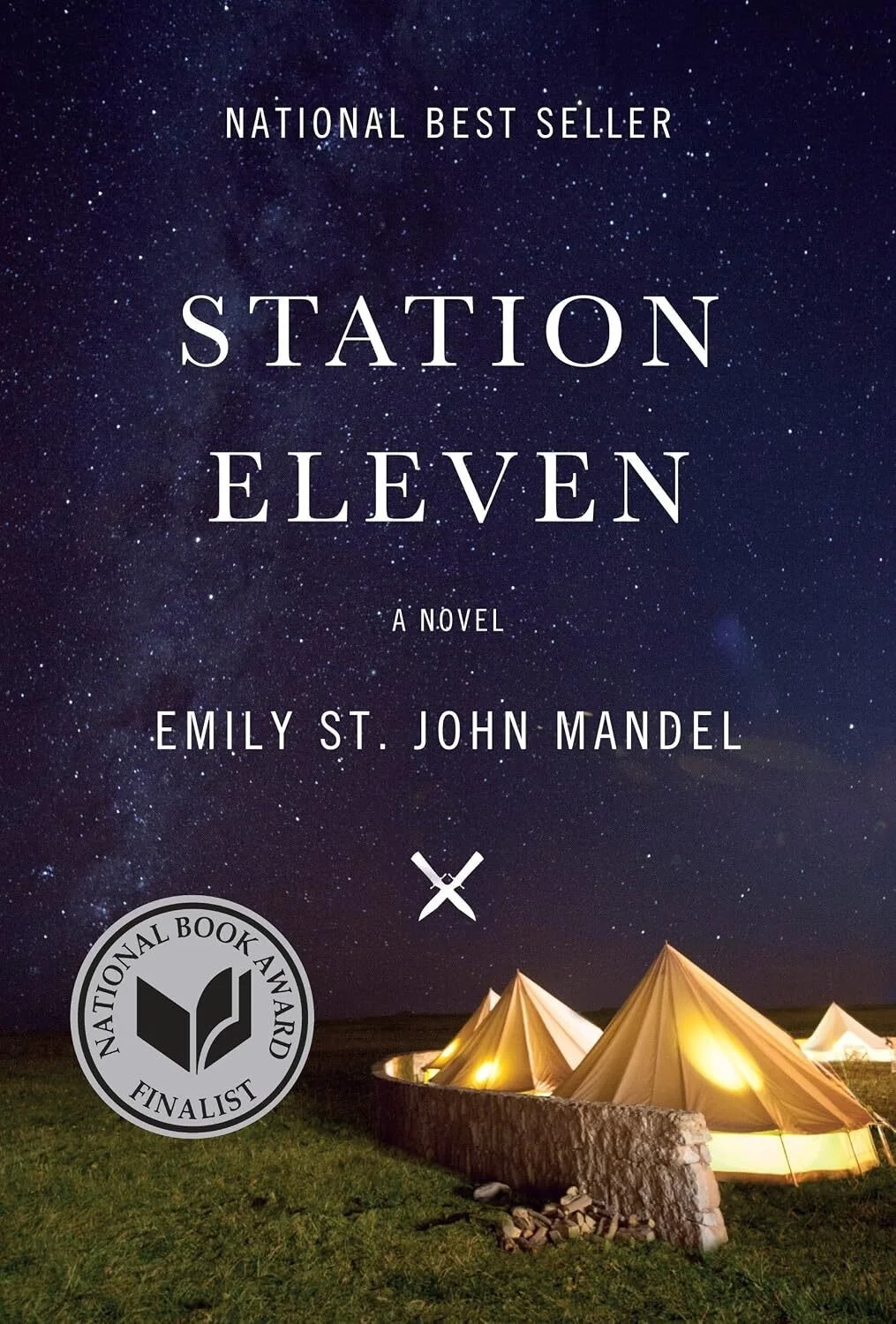
I love talking and thinking about it because it’s both a huge bugbear of mine and something I don’t care about that much at all. From a writing point of view, I don’t even consider those distinctions. I don’t care. I just want to write something that makes me want to read it. And that’s usually something that crosses those genre boundaries and is unapologetic about it. Emily St. John Mandel, for example, is someone who does that really effectively, and she’s a writer I greatly admire.
I struggle with genre categories. Having worked as a bookseller, I understand why we need them. We need to be able to sell books and help people understand where they sit. But honestly, so many books could be anything. Sometimes I wonder why it can’t all just be fiction. Just put it in the fiction section and let people find it. Or have a section in the bookshop called: Who cares?
I think we get a bit calcified in our genre conventions. Sometimes the conventions can be quite restrictive in terms of the kinds of stories we write and the fiction we’re able to imagine. Ultimately, I just want someone to say, this is a cool book about something. Tell me what it’s about. Don’t put it in a box. That’s what bothers me: the impulse to put everything into boxes.
You are not a box person.
I am not a box person. But it’s taken me a long time to understand that about myself as a writer. As a person, I worked it out a lot earlier.
How much do you enjoy the practical business of the impossible? The logistics, the knock-on effects, the small inconveniences? So much of the humour your books comes from that practical detail – and, often, so does the terror.
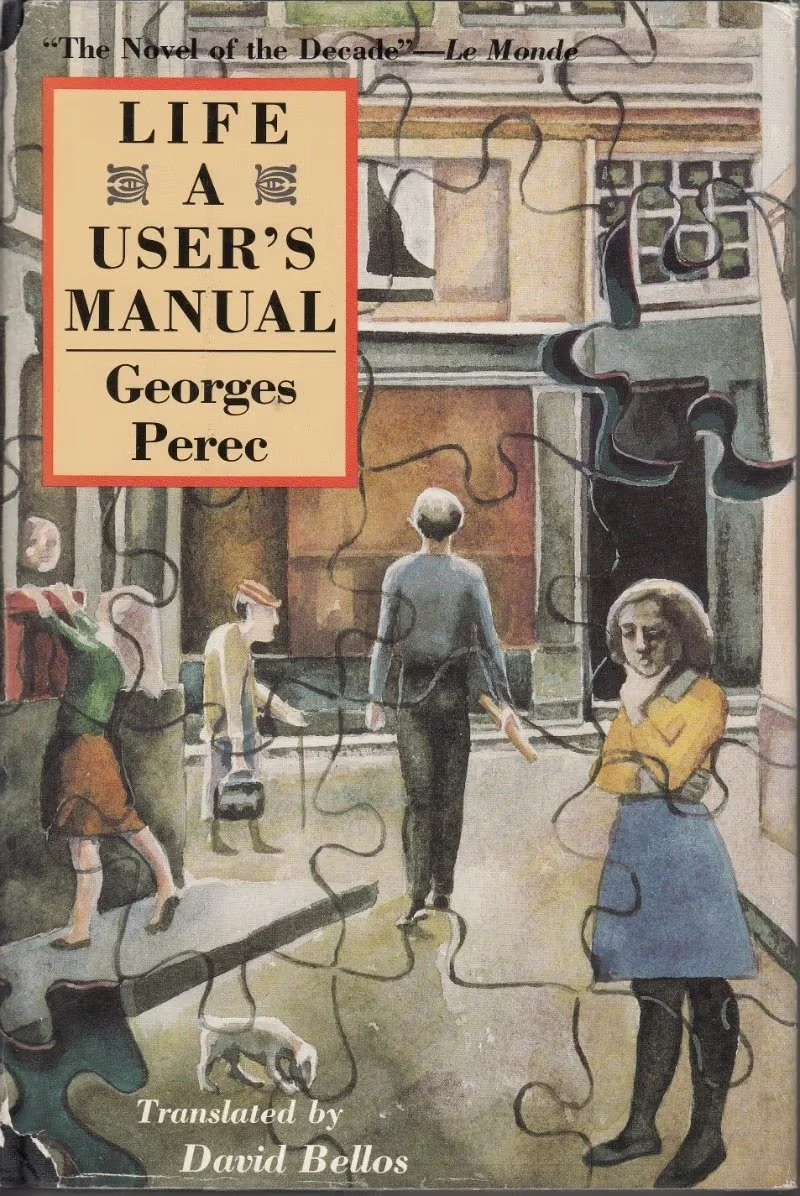
For me, that’s play, right? Georges Perec is another writer I really admire in that respect. I love the idea that writing is essentially a form of play. The playful side of those books – the thought experiments – is an absolute delight to write. It’s the best part, actually. Bringing it all together to make a coherent story is the hard bit.
But those playful elements, those thought experiments about where a premise might lead, are where I find the real joy. The way I approach my books is to start with a premise – people becoming trees, a city changing shape – and then follow the cause and effect as I’m writing. It’s a strange exploration of what that premise means and what I’m trying to say through it.
For me, the real joy of writing is discovering all these things you didn’t even know were in your head. At its best, it’s a kind of lovely waking dream.
There’s something about absurdist fiction in particular: it walks a very fine line between being deeply hilarious and deeply frightening. I wonder how you navigate that tightrope?
I’m very aware of it. But humour and drama exist on the same coin. They just flip between each other, both in life and in good fiction. That’s always been my approach to writing. Something that’s very funny can be very sad, and something that’s very sad can be very funny. Moving constantly between those two feels more reflective of actual life to me.
I think originally I assumed that proper absurdism was like Kafka – darkly absurdist. But reading someone like Vonnegut really made me realise that you could approach it differently. Vonnegut showed me that you could bring a kind of playful sensibility to fiction while still making hugely serious points, and do so with real emotional force.
Your first reader is your sister Brooke, who’s also a novelist. How does one family produce two top-notch storytellers?
We grew up in the country, in a rural area out near Torquay. We didn’t have a lot of people around us, and we grew up in the ‘80s, when TV was crap. So we read books. And there were lots of books around us to read.
My siblings and I have always had this urge to make stuff, however we could. We’ve got quite imaginative brains and a desire to express ourselves. Brooke and I have gone down the literary path because that’s where we feel comfortable, while my brother Ben has gone more towards the visual arts.
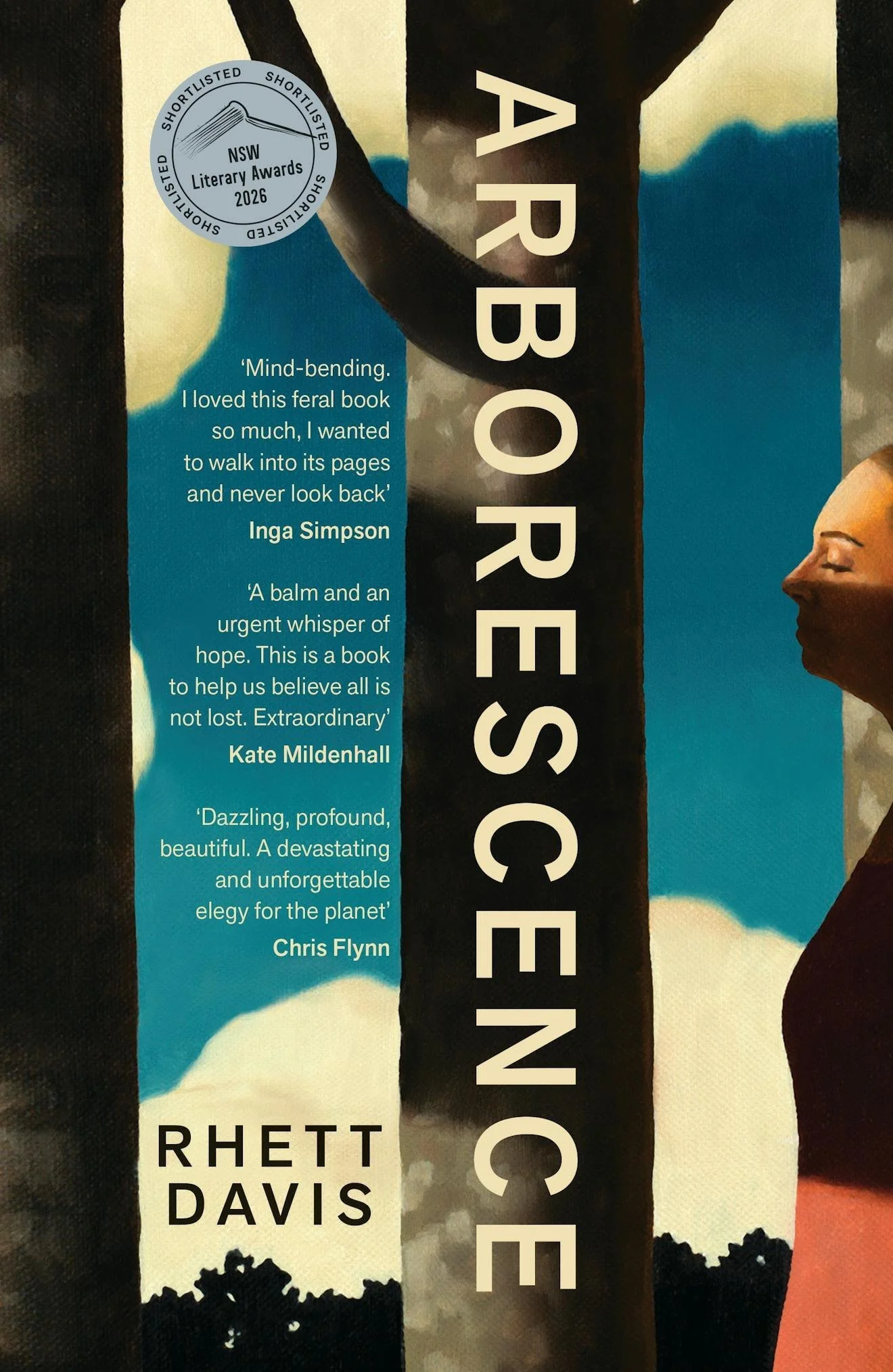
Hachette, 2025
And it’s just something that has come out of nowhere really – our extended family isn’t particularly creative. It’s just something we’ve always wanted to do. I can’t explain it beyond the fact that we grew up in the country, there wasn’t a lot to do, so we made stuff ourselves. We had time. I think that’s the big thing: having that time and space as a kid to work things out for yourself is really important. And being surrounded by books.
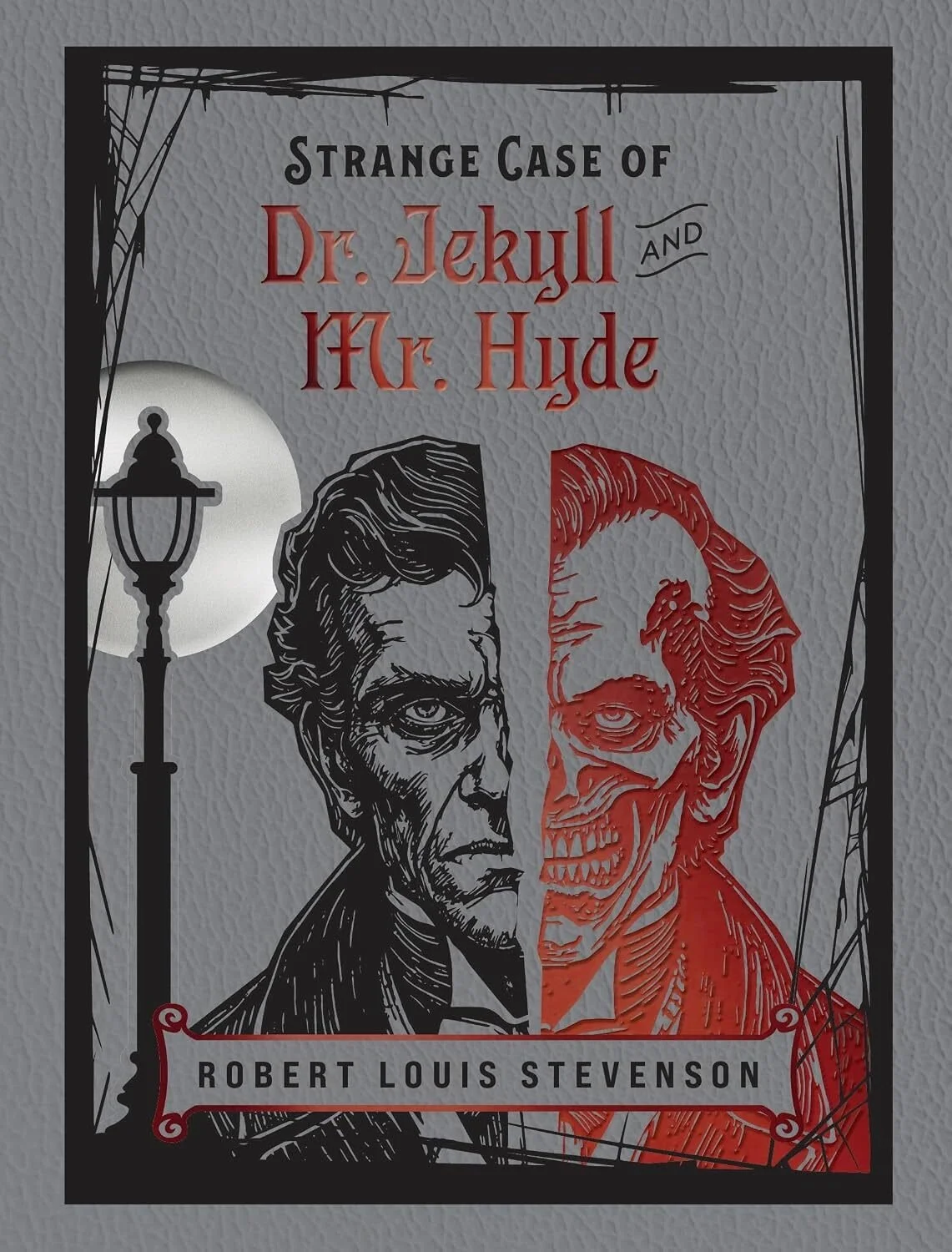
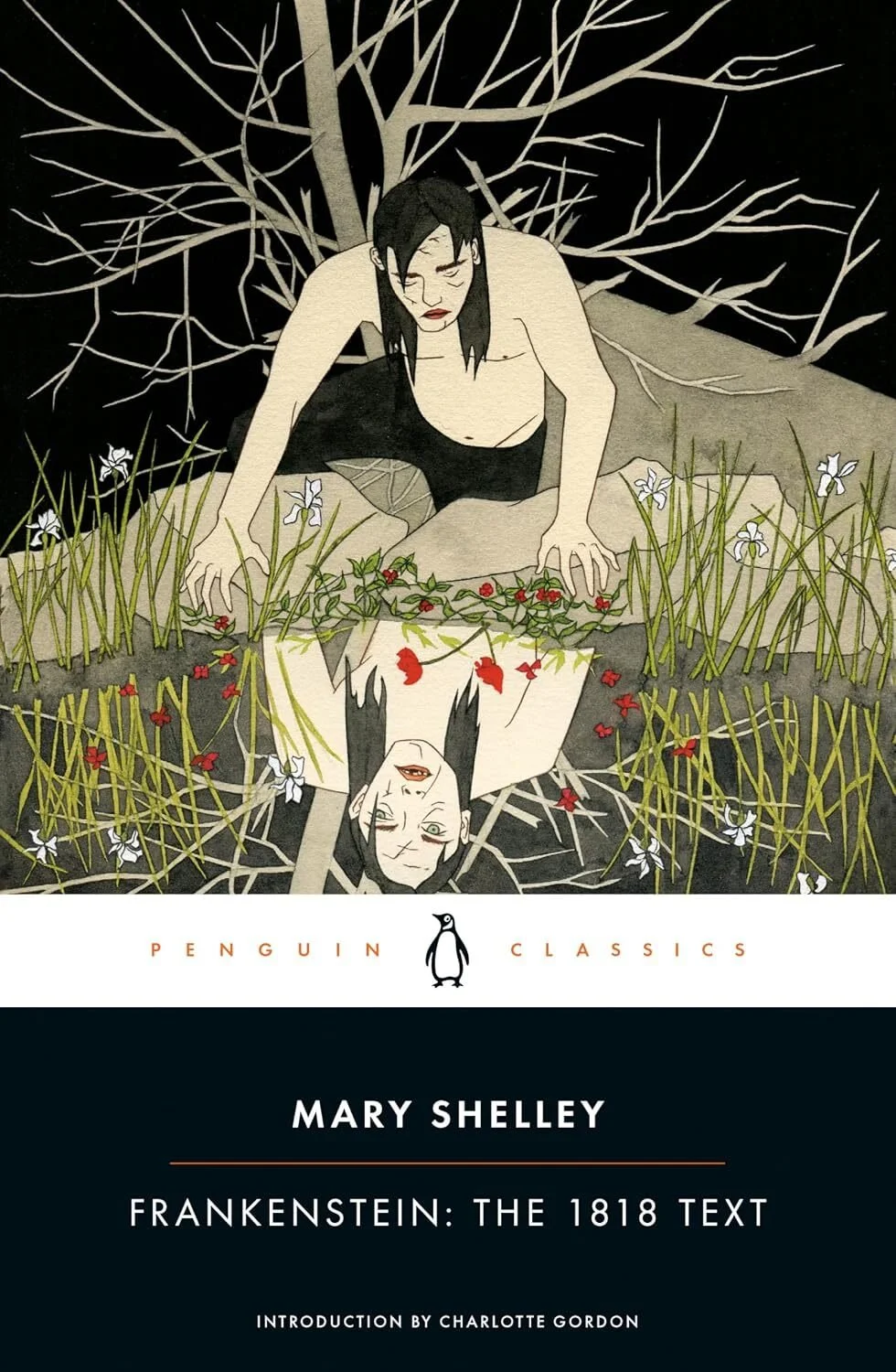
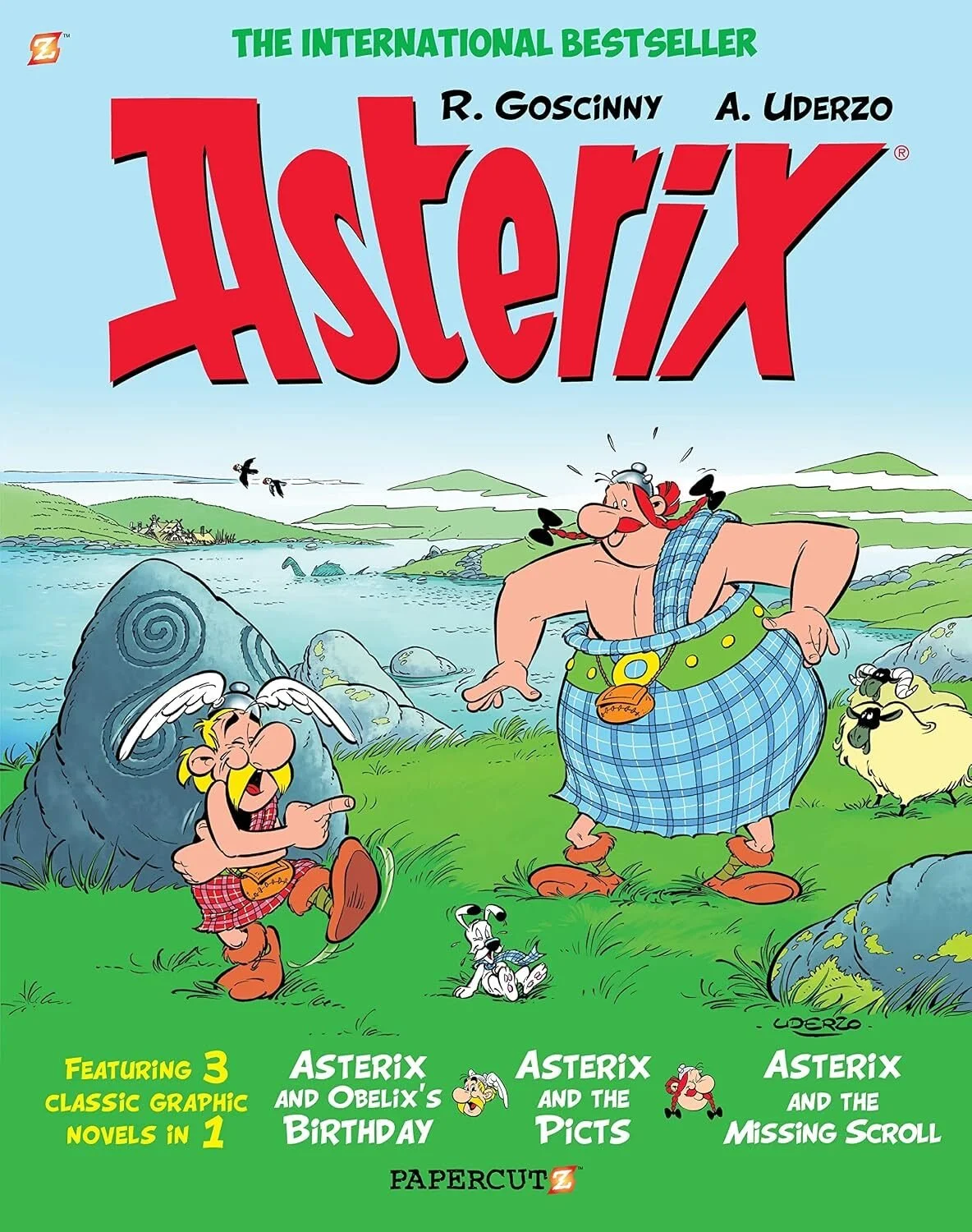
We had a little mobile library that used to come around to the school every week or two, and I’d just sit in there and grab whatever I could. A lot of Asterix comics, if I’m honest. Asterix comics are actually solely responsible for my inability to say “asterisk”. But anyway, they were wonderful. I loved them. I’d read Robert Louis Stevenson, I’d read Frankenstein. I just consumed everything. I read without prescription.
And now you write without prescription. I’m really interested in the evolution of your artistic imagination and bravery. What have writing your two novels allowed you to do next?
I suppose I just want to amplify what I’m doing and push harder on certain things. I don’t know exactly what that will look like, but I feel I can afford to be fearless. All I ever wanted to do was write a novel. Now I’ve written two. I’ve reached a point where I’m happy with what I’ve done in my career. Everything else is a bonus, so I feel I can just go for it.
I might get a little bit angrier in the next one, to be honest. Harder and weirder and angrier.
Hovering and Arborescence came from different emotional states. The next one is more about injustice.
Plenty of absurdity there.
Sure is.